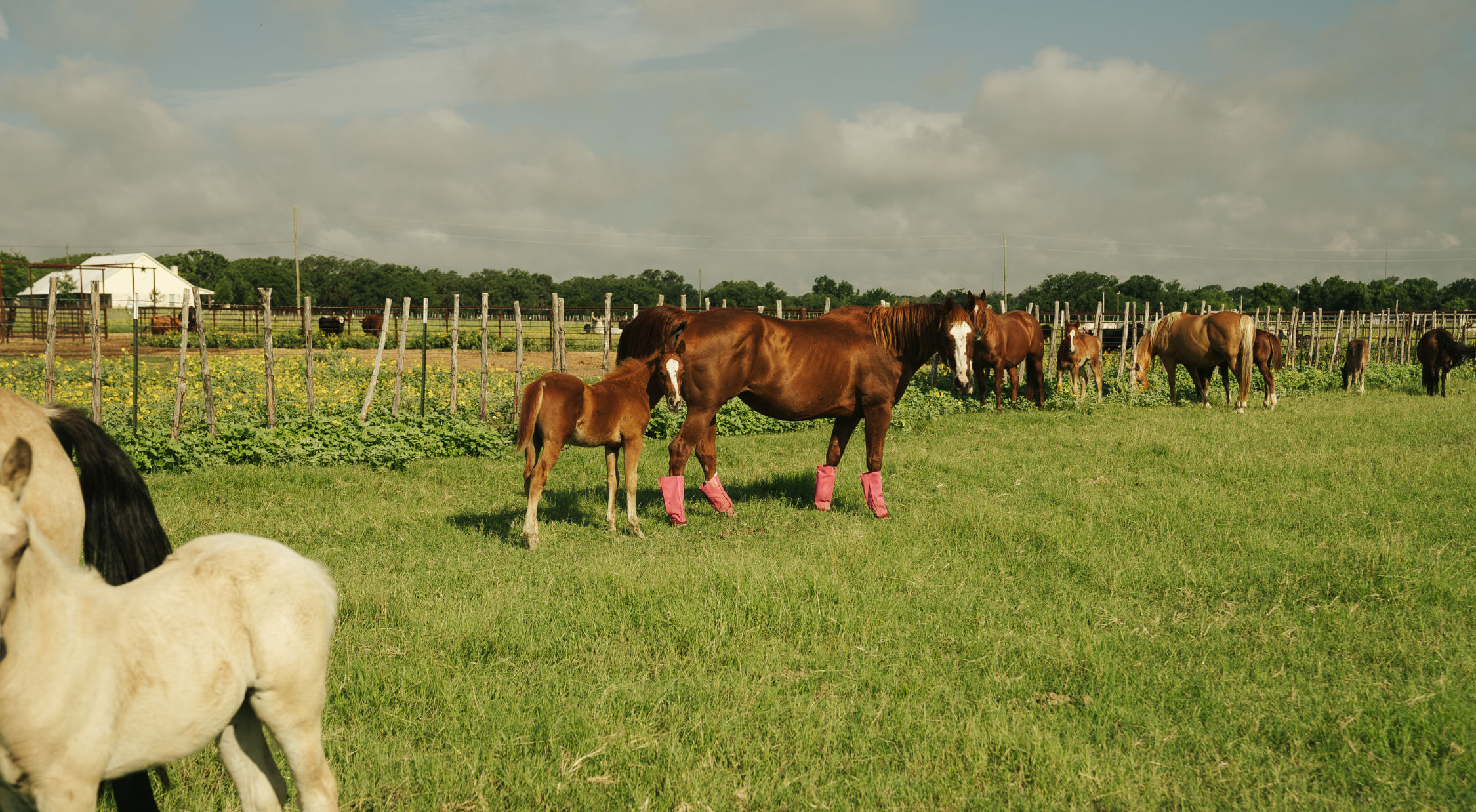
Why Fly Protection for Horses Matters More Than You Think
By Cashel Company · June 19, 2026
Most horse owners know flies are annoying. What's less talked about is how genuinely dangerous they can be. Biting insects aren't just a nuisance — they're linked to serious health conditions, the spread of communicable disease, and even cancer in horses. The good news: the right fly protection for your horse goes a long way toward keeping your horse healthy, comfortable, and safe all season long.
Here's what every horse owner should know about fly-related health risks — and how to protect against them.
Flies and Horses: More Than an Annoyance
It's easy to dismiss fly irritation as a comfort issue, but repeated fly exposure can trigger real medical problems. Horses that spend significant time outdoors during warm months face cumulative risks that compound over a fly season — risks that go well beyond tail swishing and stomping.
Veterinarians across the country are reporting an uptick in fly-related cases, a trend that points to the growing importance of proactive fly management rather than reactive treatment.
Horse Health Risks Caused by Flies
Insect Bite Hypersensitivity (IBH)
One of the most common fly-related conditions veterinarians treat is Insect Bite Hypersensitivity, or IBH — an allergic reaction triggered by repeated exposure to biting insects. Symptoms include extreme itching, skin irritation, and significant discomfort. On top of that, it can cause hives to erupt on the skin. Horses with more reactive immune systems are especially vulnerable, but any horse with consistent fly exposure can develop the condition over time.
Treatment typically involves antihistamines and management changes. Prevention — through fly sheets, leg guards, and fly masks with ear coverage — is far more effective and less costly than treating an established case.
Equine Infectious Anemia (EIA) and Pigeon Fever
Flies don't just irritate — they transmit disease. Equine Infectious Anemia (EIA), the virus your vet screens for with the annual Coggins test, can be spread through biting insects. Pigeon Fever, caused by the bacteria Corynebacterium pseudotuberculosis, spreads when a fly lands on an infected horse's open wound and then moves to another horse.
Reducing overall fly exposure during warm months — especially in multi-horse situations — meaningfully lowers the risk of transmission for both conditions.
Summer Sores
Summer sores develop when flies land on moist membranes — eyes, open wounds, or other vulnerable tissue — and deposit larvae. The result is persistent granulation tissue that can be difficult to treat and easy to mistake for other conditions like sarcoids or proud flesh. The third eyelid is a particularly common site.
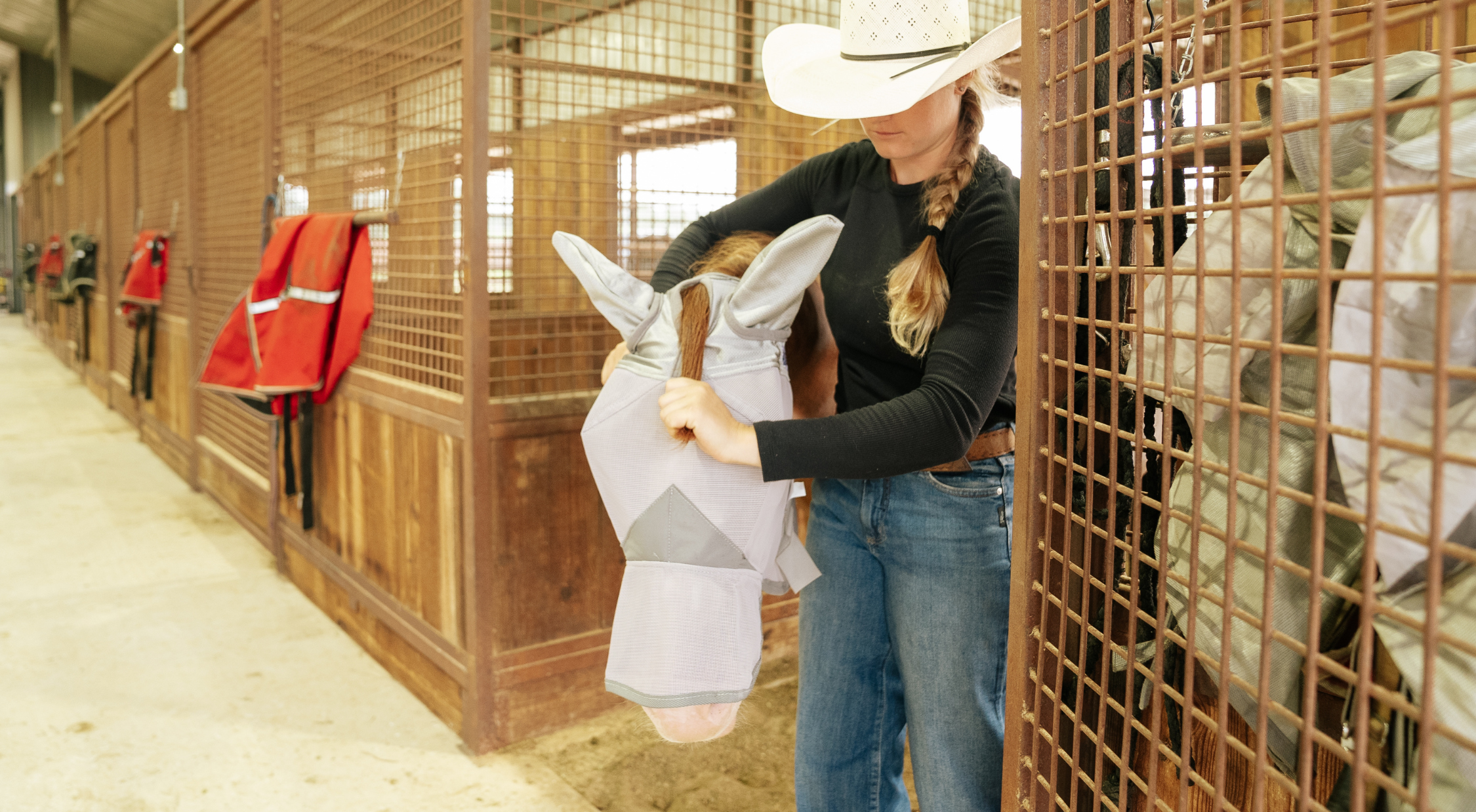
Fly masks are one of the most effective tools for preventing summer sores, since they create a direct barrier between flies and the eyes and face.
Skin Cancer and UV Damage
Fly protection for your horse does double duty: it also shields horses from harmful UV rays. Horses with pink or unpigmented skin are at the highest risk for sun-related skin cancer, but horses with darker pigmentation aren't fully protected either. A fly mask with a long nose option provides coverage for the sensitive muzzle — one of the most commonly affected areas.
Building Your Horse's Fly Protection System
Effective fly protection works in layers. Here's how to think about it:
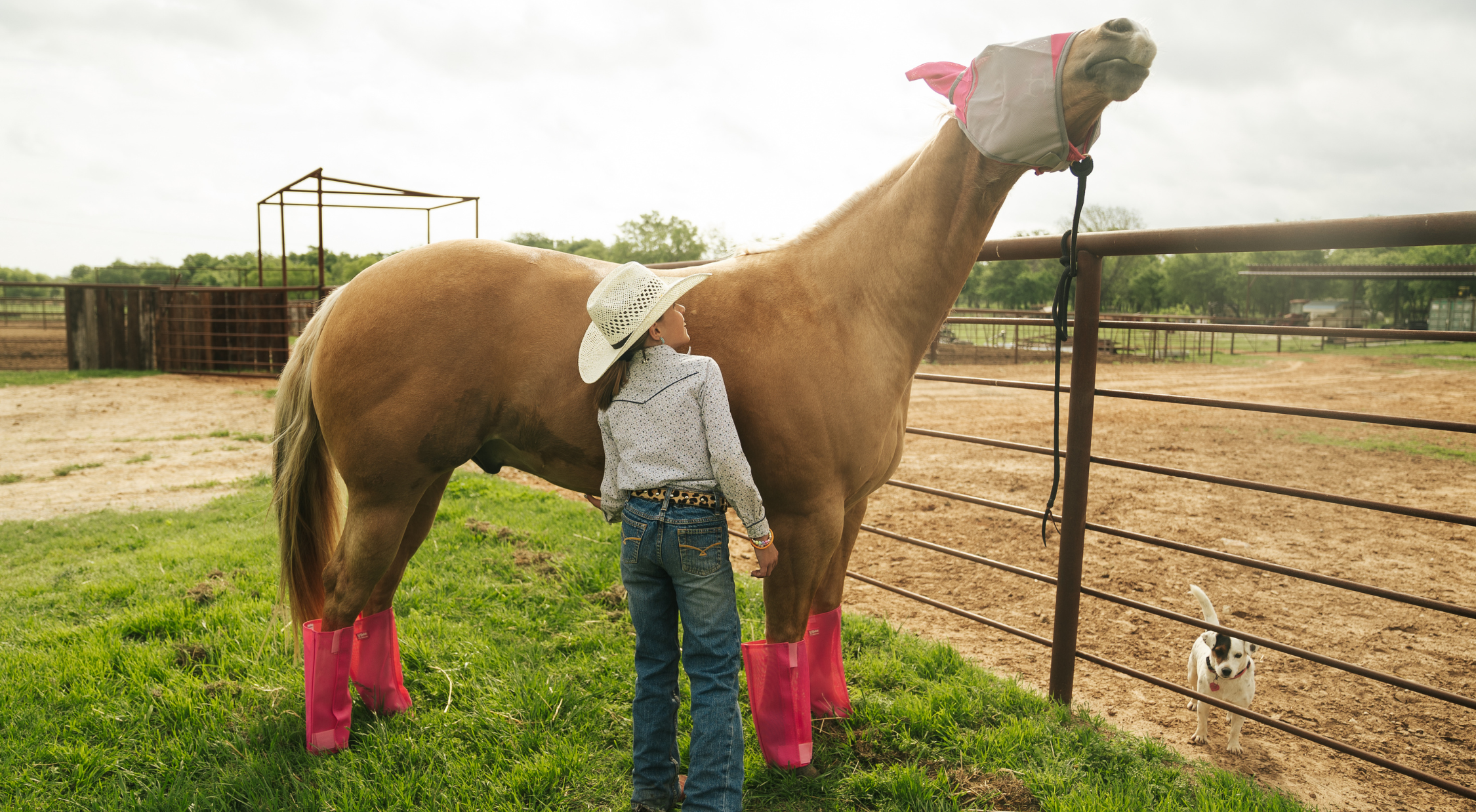
A layered approach — mask, sheet, and leg guards — is your most complete defense against insects, disease transmission, and UV damage.
Fly Masks are the foundation. The Cashel Crusader Fly Mask blocks up to 70% of UV rays and creates a reliable barrier against insects around the face and eyes — the areas most vulnerable to summer sores and sun damage. Available with or without ear coverage, and featuring a patented three-hole cap design that keeps ears free and the forelock accessible, the Crusader is built for all-day comfort. Shaped eye darts keep the mask from pressing against lashes, and every mask includes trimmable sizing increments and compatibility with the Hook-and-Loop Extender for a custom fit.
Fly Sheets protect the body. The Cashel Crusader Lightweight Fly Sheet uses breathable mesh to block insects and UV rays without causing overheating — even on the hottest days. Its contoured design prevents shoulder rubbing, and the extra-wide belly band provides added coverage. It can even be hosed off while on the horse for a cooling effect.
Leg Guards address one of the most overlooked exposure points. The Cashel Crusader Leg Guards feature four hook-and-loop closures that stay put through movement and stomping, giving horses consistent protection in the area that's hardest to cover with sheets and masks alone.
For riding, the Cashel Quiet Ride line offers fly protection designed specifically for use under saddle — from full-body Bug Armor Sets to individual belly guards and neck covers — without restricting movement or creating safety hazards.
The Bottom Line on Horse Fly Protection
Fly season is inevitable. The health risks that come with it don't have to be. A proactive approach — keeping stalls and pastures clean, providing fresh water, and outfitting your horse with quality fly protection — is your best defense against IBH, disease transmission, summer sores, and UV-related skin damage.
Browse the full Cashel fly protection line to build the right system for your horse this season.