A horse fly mask is one of the most important tools in your horse's fly protection arsenal — and for good reason. During peak fly season, horses can spend up to 4–8 hours a day reacting to biting insects instead of grazing or resting. Beyond irritation, flies are known carriers of diseases like habronemiasis (summer sores) and can contribute to eye conditions such as conjunctivitis and corneal ulcers.
The right horse fly mask doesn't just keep bugs off your horse's face. It protects against UV damage, reduces stress-related behaviors, and eliminates the need for chemical sprays in sensitive areas like the eyes and muzzle.
But not all horse fly masks are created equal. Today's designs go far beyond basic mesh coverings, and understanding the features available helps you choose the right fit for your horse's specific needs.
Here's what to look for — and why each feature matters.
How to Measure Your Horse for a Fly Mask
Before diving into features, fit comes first. A mask that doesn't fit won't stay on — and one that's too tight can cause rubbing, irritation, and even hair loss.
To measure your horse for a fly mask, you'll need a soft measuring tape. See the graphic below for measuring instructions.
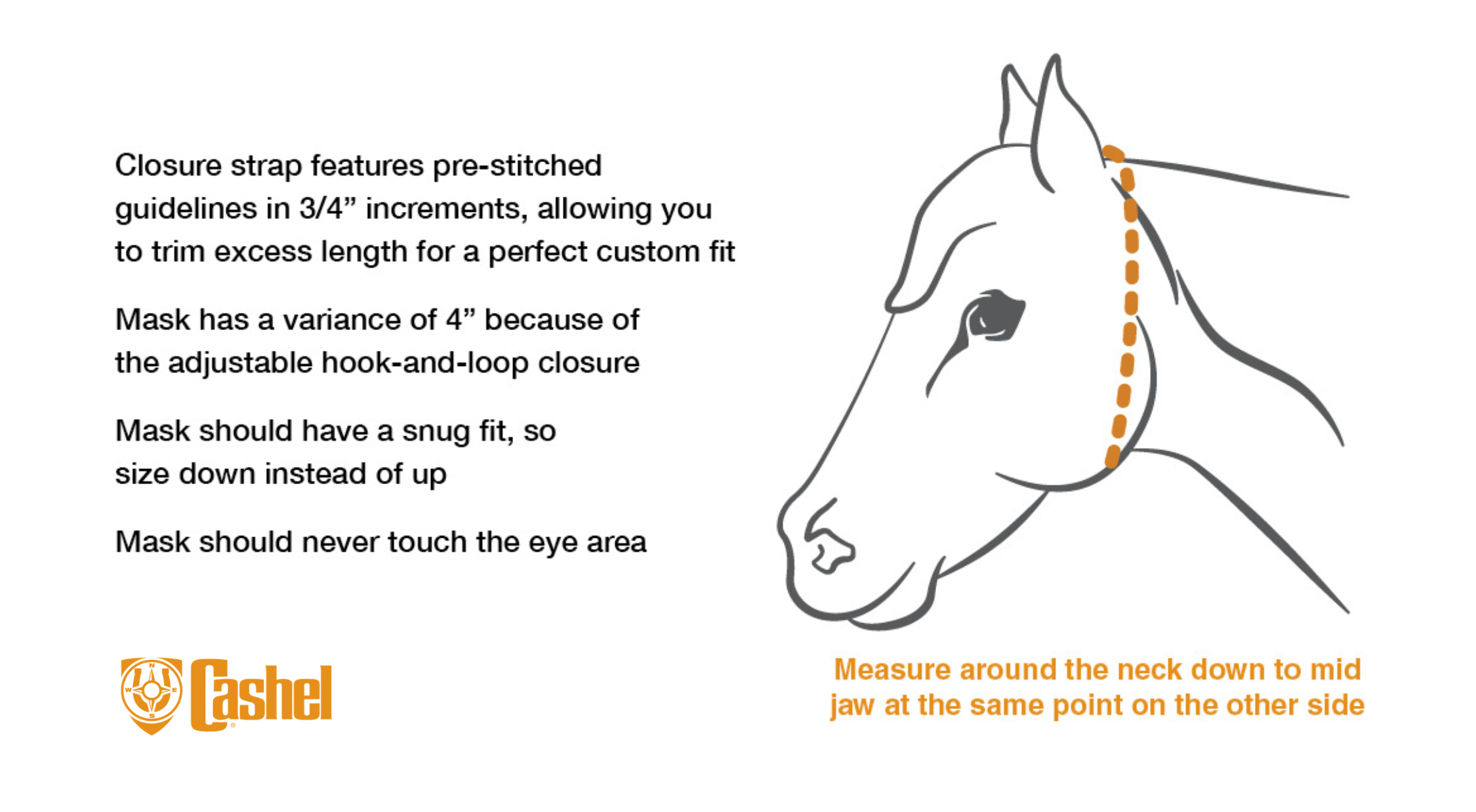
If your horse falls between sizes, size up and use adjustable closures to fine-tune the fit. All four styles of the Cashel Crusader Horse Fly Mask have trimmable sections in 3/4-inch increments, plus a Hook-and-Loop Extender that adds up to 5 inches for horses needing additional room.
Here is a reference chart for all of Cashel's Crusader Fly Mask styles.
| Size |
Horse Breed Quick Reference |
Mask Measurement |
| XXS | Foal, Mini Horse, Mini Pony | 27" |
| XS | Weanling, Small Pony, Welsh, Shetland | 34" |
| S | Yearling Horse, Large Pony, Hackney | 35–37" |
| M | Average Quarter Horse, Arabian, Paint Horse, Appaloosa, Morgan, Mustang, Pinto, Paso Fino, Hackney, Haflinger, Cobb, Small Thoroughbred | 38–40" |
| L | Large Quarter Horse, Thoroughbred, Paint Horse, Standardbred, Tennessee Walking Horse, Appaloosa, American Saddlebred, Morgan, Mustang, Pinto, National Show Horse, Haflinger | 40–42" |
| XL | Small to Average Warmblood Horse, Friesian | 42" |
| XXL | Large Warmblood Horse, Draft Horse | 50" |
Customizable Sizing: Fit Is Everything
A poorly fitting horse fly mask is a lose-lose situation. Too tight, and it causes rubbing, hair loss, and skin irritation — especially along the cheekbones and jaw. Too loose, and it can snag on a fence or be easily pulled off during turnout.
Improper fit is one of the most common reasons fly masks have a short lifespan or get damaged. Start by selecting a size based on your horse's breed and head measurement, then fine-tune with the hook-and-loop strap. The goal is a secure, comfortable mask that stays in place without creating pressure points.
Extended Nose Coverage: Protecting Sensitive and Pink-Skinned Horses
Standard horse fly masks leave the muzzle exposed — one of the most sensitive and vulnerable areas on your horse. While this works for many horses, others that have pink skin need more protection.
The skin around the muzzle is thinner and more prone to sunburn, especially in horses with pink or unpigmented skin. Sunburn here can crack, peel, and even interfere with grazing.
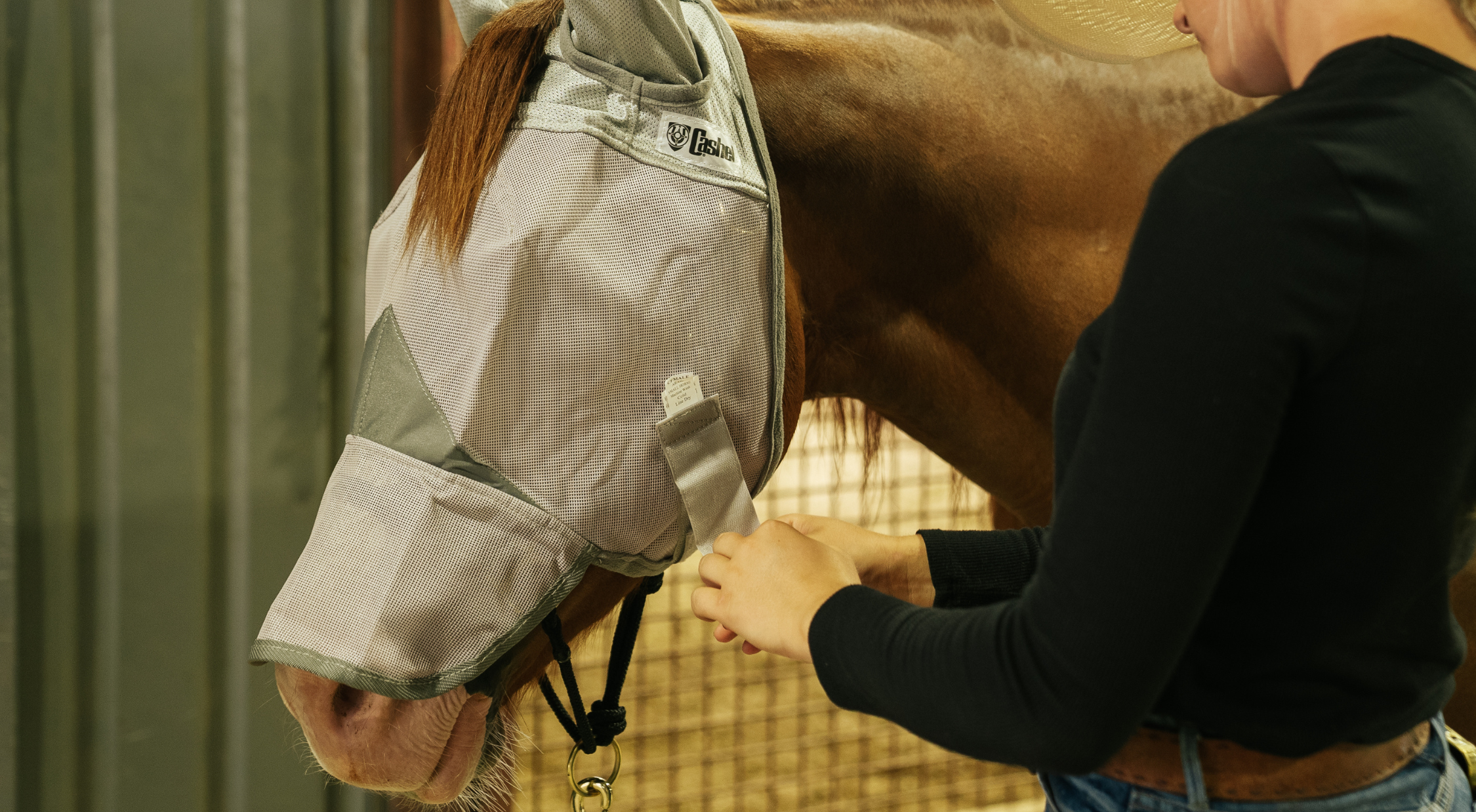
A long-nose fly mask provides consistent protection from both biting flies and harmful UV rays — without the need for sunscreen that wears off, rubs off, and requires frequent reapplication.
Ear Coverage: An Added Defense for Ticks and Biting Insects
Horse ears are prime targets for gnats, biting flies, and even ticks that drop from trees or crawl up from tall pastures. These pests don't just irritate — they can trigger head shaking, stress behaviors, bites that become infected, and discomfort that affects your horse's overall well-being.
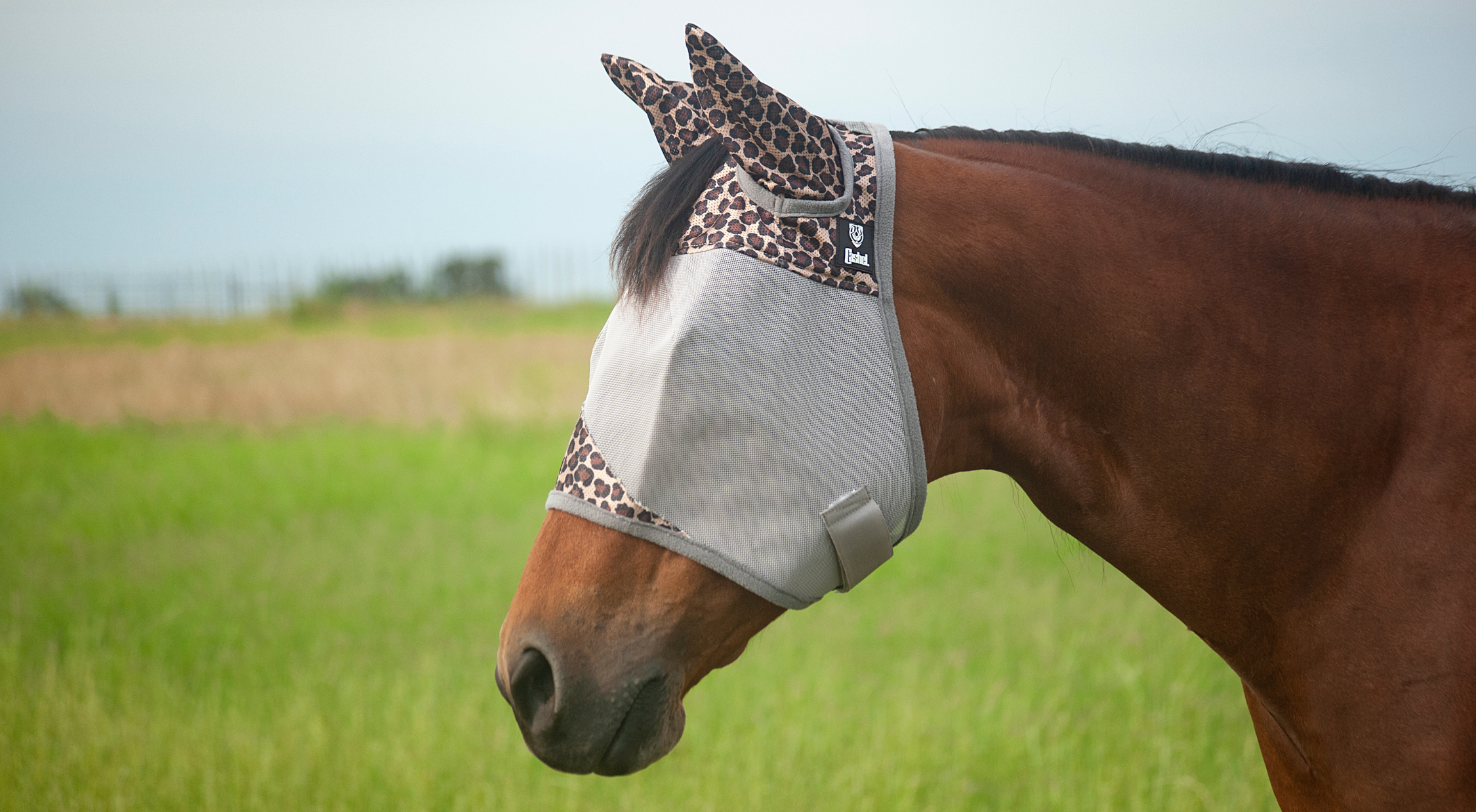
The Cashel Crusader Fly Mask with Ears protects your horse's ears no matter where they're grazing, so you can rest easy knowing their ears aren't the new hotspot for biting insects. This mask is also available with a Long Nose, too.
Forelock Opening: Letting Your Horse's Forelock Breathe
Horses already dealing with fly irritation tend to rub their faces on posts, fences, and stalls. When a mask traps the forelock inside, friction can cause hair breakage.
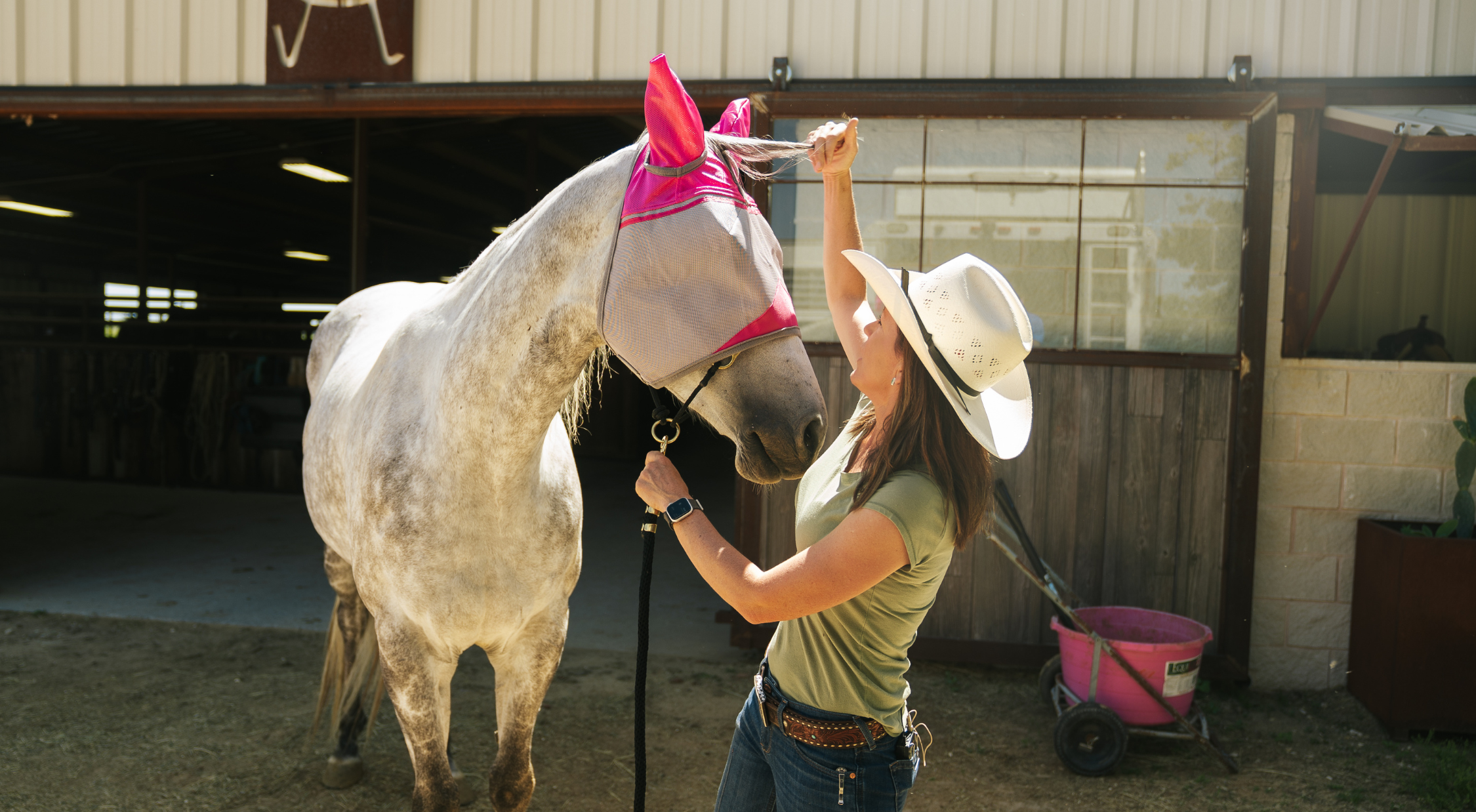
A dedicated forelock opening allows hair to pass through naturally, reducing tension and keeping hair out of the eyes — one less reason for your horse to rub or remove the mask.
Full Field of Vision: Mesh Quality Matters
Eye protection is important, but not at the expense of visibility — especially for prey animals. Poor-quality mesh can distort vision, affecting depth perception and increasing anxiety, particularly in motion or unfamiliar environments.
Fine, durable mesh paired with structured eye darts keeps the material off the eye while maintaining clear sightlines. Cashel was the first to introduce this design, and it remains a defining feature of the Crusader line.
Eye injuries — like corneal ulcers — are among the most common and serious equine eye conditions. Protecting the eye from flies while avoiding contact with the eye surface is especially important during healing.
Cashel Crusader masks block up to 70% of harmful UV rays while maintaining visibility, helping to protect horses prone to UV-related conditions such as keratitis and squamous cell carcinoma around the eye.
UV Protection: A Horse Fly Mask Does Double Duty
UV exposure is one of the most overlooked risks during fly season. Horses with white markings, pink skin, or blue eyes are especially vulnerable to sunburn and long-term damage.
Research shows that UV-blocking fly masks can reduce exposure to sensitive eye areas by 60–90%, depending on the material. Wearing a mask consistently throughout the summer significantly reduces cumulative UV exposure — without repeated sunscreen application.
Fly Protection in the Saddle
Flies don't disappear when you tack up. They follow your horse into the arena and onto the trail, where distraction and irritation can affect performance and safety.
Improvised solutions can interfere with vision or tack, creating unnecessary risk. Even slight visual obstruction can affect a horse's depth perception, especially on uneven terrain.
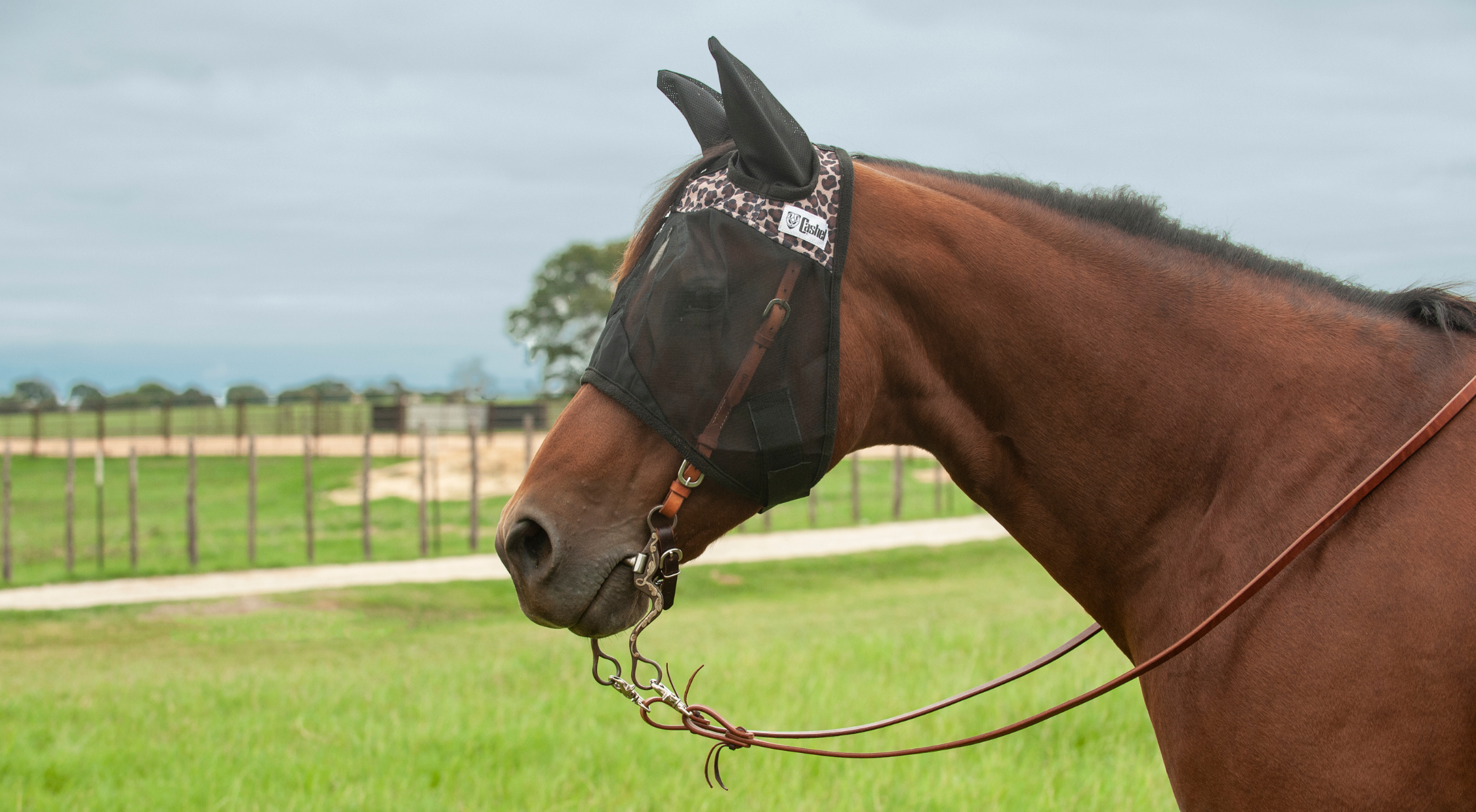
The Cashel Quiet Ride line is designed specifically for riding, offering full protection without compromising visibility, movement, or safety under saddle.
Budget-Friendly Options
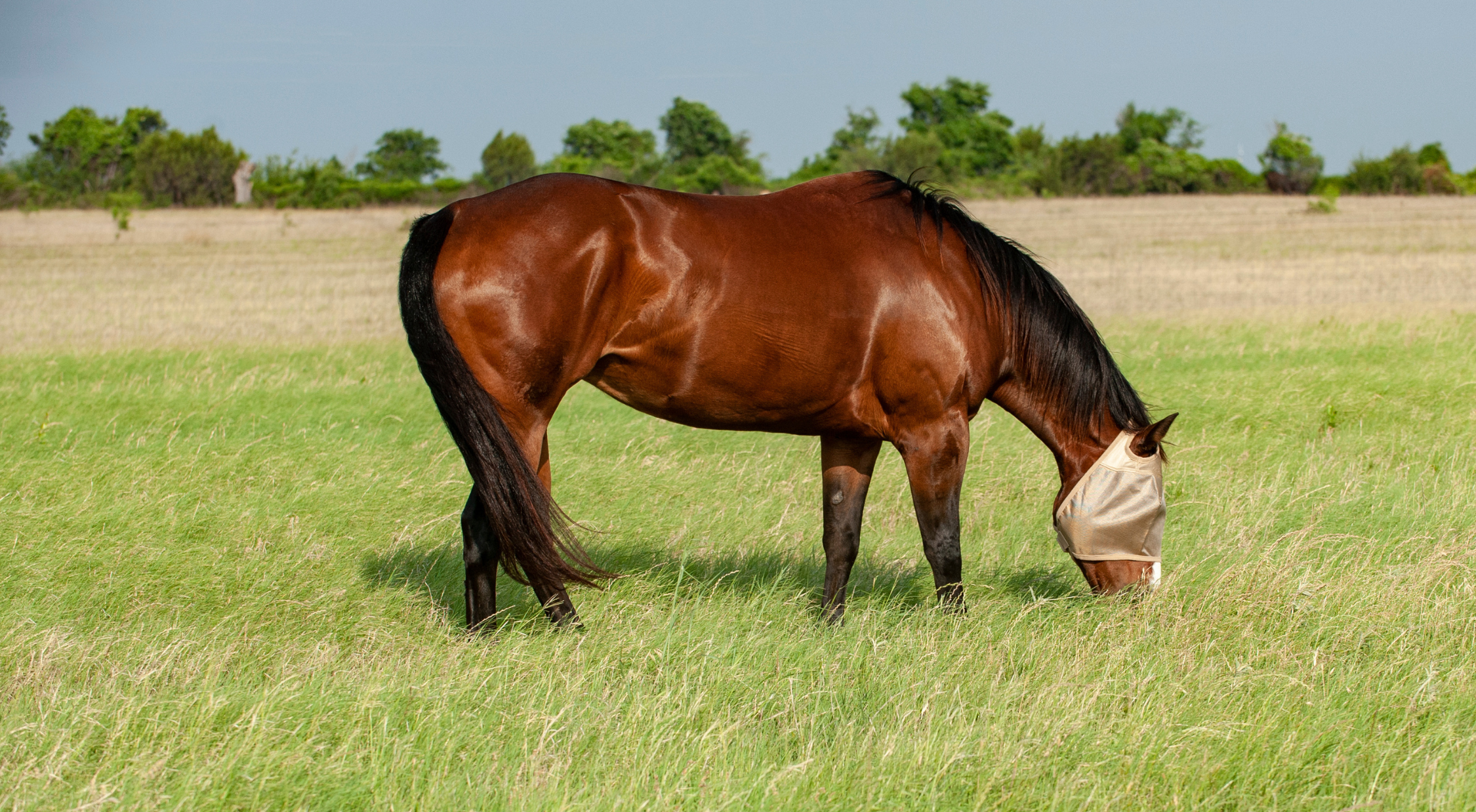
Fly protection should be accessible for every horse owner. The Cashel Econo Fly Masks provide reliable protection at a price point that makes sense for larger herds or multiple horses.
Make Sure You Have Replacements Ready
Horse fly masks are one of the most commonly replaced pieces of seasonal gear for horses. Between daily wear, turnout conditions, and the occasional lost mask, most horse owners should keep at least two per horse in rotation.
Having a backup ready means your horse stays protected at all times.
Frequently Asked Questions About Horse Fly Masks
What are the four styles of Cashel Crusader Fly Masks, and what's the difference in each?
| Feature |
Standard |
With Ears |
With Long Nose |
Long Nose + Ears |
| Ear coverage | No | Yes | No | Yes |
| Extended nose coverage | No | No | Yes | Yes |
| UV protection | Up to 70% | Up to 70% | Up to 70%, extended to nose | Up to 70%, extended to nose |
| Best for | Everyday fly protection, trailering | Sensitive ears, tick-prone areas, heavy insect zones | Pink or lightly pigmented muzzles (palominos, grays, roans, pintos) | Sensitive skin plus heavy insect exposure, maximum coverage |
| Soft-coated nylon micromesh | Yes | Yes | Yes | Yes |
| Three-hole cap and double-dart design | Yes | Yes | Yes | Yes |
| Adjustable trim-to-fit closure strap | Yes | Yes | Yes | Yes |
| Coverage level | Basic | Basic + ears | Basic + nose | Full face |
Can horses wear fly masks overnight?
It is recommended to remove fly masks at night and put them back on in the morning. Removing it at night, especially if they are turned out, helps improve their visibility when it's dark. However, many horses do fine wearing a fly mask overnight, especially if insects are active at dusk and dawn. Check the fit carefully before leaving a mask on after dark, and inspect it daily for any rubbing or debris caught inside.
How do I know if a horse fly mask fits correctly?
You should be able to slip two fingers under any edge of the mask. The eye darts should sit clear of the eyeball without pressing against it. The mask should stay in place when your horse shakes his head but shouldn't leave rub marks after a few hours of wear.
How often should I replace a horse fly mask?
Most masks last one to two seasons with regular use, depending on turnout conditions and how hard your horse is on equipment. Inspect seams, closures, and mesh regularly. Replace when the mesh tears, the closures lose their grip, or the mask no longer holds its shape around the eyes.
What's the difference between a riding fly mask and a turnout fly mask?
Turnout masks are built for durability and extended wear in the pasture. Riding masks — like the Cashel Quiet Ride line — are designed to fit over a bridle without interfering with bit pressure, rein contact, or the horse's field of vision.
Do horse fly masks work for horses with eye conditions?
Yes — and in many cases, a fly mask is recommended by veterinarians for horses with corneal ulcers, uveitis, or other eye sensitivities. Look for masks with structured eye darts that keep mesh off the eye surface, and UV-blocking material if your horse is light-sensitive. Always call your veterinarian for advice if your horse has any sort of eye disease or sensitivity.
Browse the full Cashel horse fly mask lineup to find the right mask for every horse in your barn.
Shop All Fly Masks